
Global Boiling as an Accelerating Climate Crisis
Global Boiling refers to the unprecedented and rapid increase in Earth’s surface temperature, surpassing the conventional understanding of global warming and manifesting in extreme heatwaves, droughts, and environmental instability worldwide. Unlike gradual temperature rise, Global Boiling captures the sense of abrupt, intense warming that threatens ecosystems, human health, and socio-economic stability far sooner than many climate models had predicted. According to recent data from NASA and the IPCC, global average temperatures have increased by approximately 1.2°C since pre-industrial times, with extreme heat events becoming up to five times more frequent in some regions. This escalating phenomenon poses severe challenges that touch on environmental degradation, water scarcity, agricultural failures, and increased frequency of natural disasters. This article explores the definition, characteristics, and implications of Global Boiling and its relevance to the future sustainability of the planet.
Definition and Characteristics of Global Boiling
Global Boiling can be defined as a severe form of climate change characterized by extreme and sustained heat spikes that exacerbate the Earth’s thermal imbalance. Dr. Katharine Hayhoe, a leading climate scientist, describes Global Boiling as “a dramatic intensification of heat extremes due to feedback loops in the climate system, such as permafrost thawing and reduced polar ice reflectivity.” Key characteristics include record-breaking heatwaves, prolonged droughts, and the amplification of wildfire seasons. The World Meteorological Organization (WMO) reports that the frequency of heatwaves has increased threefold since the 1980s, signaling a clear shift toward more volatile climate patterns.
Hyponyms related to Global Boiling include:
- Heat Dome: A meteorological phenomenon leading to prolonged high-temperature conditions in localized regions.
- Thermal Runaway: A feedback loop where warming triggers processes that cause further temperature escalation.
- Megadroughts: Extended drought periods spanning decades, linked to rising temperatures and reduced precipitation.
Understanding these aspects provides a critical foundation for analyzing the broader impacts of Global Boiling on environmental and human systems.
Environmental Impacts and Ecosystem Vulnerabilities
Heatwaves and Biodiversity Loss
Heatwaves under Global Boiling significantly disrupt biodiversity by causing habitat degradation, species migration, and increased mortality. According to the IPCC Sixth Assessment Report, species extinction risks increase drastically when global temperatures surpass 1.5°C above pre-industrial levels. Mammals, amphibians, and reef-building corals are particularly vulnerable, with coral bleaching events becoming more frequent and severe in tropical oceans.
Water Scarcity and Agricultural Stress
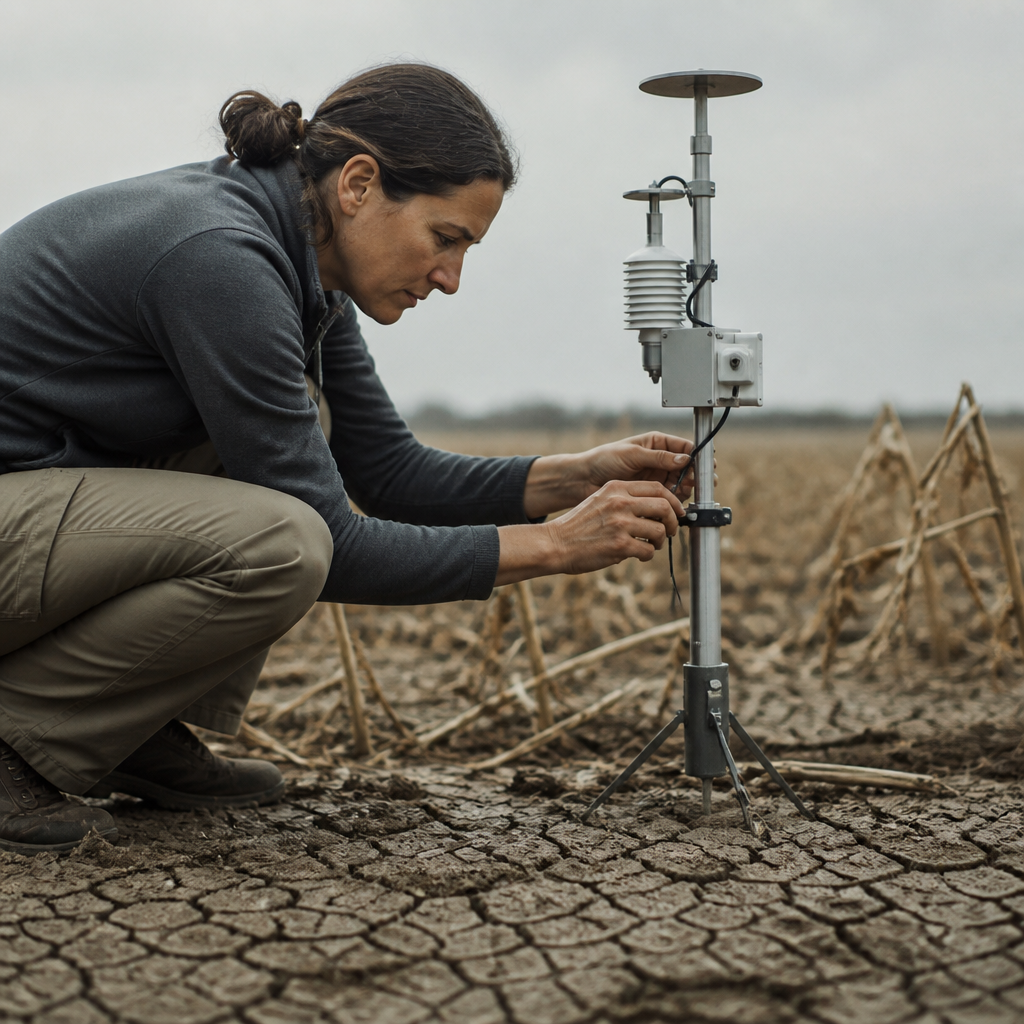
Increasing temperatures enhance evaporation rates and reduce freshwater availability, intensifying water stress in many regions. The Food and Agriculture Organization (FAO) estimates that by 2050, agricultural productivity could decline by up to 30% in certain drought-prone areas due to heat stress and reduced water supply, threatening global food security. This consequence connects directly to Global Boiling’s role in triggering megadrought conditions that undermine crop viability and livestock health.
Human Health and Socioeconomic Consequences
Heat-Related Illnesses and Mortality
Global Boiling exacerbates health risks by increasing incidents of heat exhaustion, heatstroke, and cardiovascular problems. The Lancet Countdown on Health and Climate Change reports that between 2000 and 2019, the number of heat-related deaths increased by over 50% globally. Vulnerable populations, including the elderly and outdoor laborers, face disproportionate risks, prompting urgent public health interventions.
Economic Disruptions and Inequality
Economically, extreme heat undermines productivity, especially in sectors reliant on outdoor work and agriculture. A World Bank analysis suggests that Global Boiling could push over 100 million people into extreme poverty by 2030 due to loss of livelihoods and increased food prices. Moreover, the uneven distribution of climate impacts reveals deeper inequalities between developed and developing nations.
Mitigation Strategies and Global Responses
Renewable Energy Adoption and Emissions Reduction
Addressing Global Boiling demands urgent reduction of greenhouse gas emissions through a transition to renewable energy sources such as solar, wind, and geothermal. The International Energy Agency (IEA) projects that achieving net-zero emissions by 2050 could limit warming and alleviate extreme heat trends. Countries worldwide have pledged commitments under the Paris Agreement, yet implementation gaps remain a challenge.
Adaptation Measures and Community Resilience
Adaptation measures including the development of heat-resistant crops, improved water management, and urban planning to reduce heat islands are critical. Communities in regions such as the Sahel and southwestern United States are increasingly adopting early warning heatwave systems and investing in infrastructure to cope with the intensifying risks posed by Global Boiling.
Conclusion: Urgency and Collective Action Against Global Boiling
Global Boiling represents an accelerated and intensified phase of climate change with profound implications for the environment, human health, and global socio-economic systems. Understanding its defining attributes—from extreme heat events and ecosystem collapse to human vulnerability—highlights the critical need for coordinated mitigation and adaptation efforts. The scientific community, policymakers, and the public must collaborate to limit emissions, foster resilience, and ensure a sustainable future. Continued research and widespread climate education remain crucial for mobilizing effective responses to this accelerating crisis.
For further reading, consult the latest IPCC Assessment Reports, NASA climate datasets, and publications by the World Meteorological Organization on climate extremes.