

Global Boiling as an Emerging Climate Phenomenon
Global Boiling refers to the alarming increase in extreme heat events and rapidly rising surface temperatures around the world, a phenomenon that scientists warn could dramatically alter the planet’s climate system far sooner than previously anticipated. This term encapsulates the intensified heat waves, record-breaking temperatures, and related environmental stresses that signify the Earth’s warming beyond thresholds that sustain current ecosystems and human societies. As of 2023, global surface temperatures have increased approximately 1.2°C above pre-industrial levels, bringing severe heatwaves, droughts, and ecological disruptions closer to home. This article explores the defining features of Global Boiling, its causes, implications for the future of the planet, and what current research suggests about mitigating this urgent threat.
Definition and Characteristics of Global Boiling
Global Boiling, as described by climate experts at institutions such as the Intergovernmental Panel on Climate Change (IPCC), is the emergent state of the Earth’s climate system marked by unprecedented and persistent extreme heat events. Dr. Michael Mann, a leading climatologist, defines it as a rapid acceleration of warming trends causing surface temperatures to spike in ways that push natural and human systems beyond their adaptive capacities.
Key characteristics of Global Boiling include:
- Frequency and intensity of heatwaves increasing worldwide, with some regions experiencing multiple “once-in-a-century” events within a decade.
- Record-breaking temperatures, such as the 54.4°C (129.9°F) recorded recently in Death Valley, California.
- Rapid melting of polar ice caps and glaciers, contributing to sea level rise.
- Increased evaporation rates leading to more severe droughts and wildfires.
This phenomenon can be viewed as a hyponym under the broader predicate of Anthropogenic Climate Change, specifically reflecting the acute thermal extremes driven by human activities such as fossil fuel combustion and deforestation.
Extreme Heatwaves and Temperature Records
Extreme heatwaves are defined by the World Meteorological Organization (WMO) as prolonged periods of excessively hot weather that may be accompanied by high humidity. These events have surged globally, with 2023 witnessing unprecedented multi-country heatwaves spanning Europe, Asia, and North America. According to the NOAA National Centers for Environmental Information, 2023 ranked among the top five warmest years on record, reflecting the increasing severity of these heat events. Urban areas are particularly vulnerable due to the “urban heat island” effect, compounding risks to human health and infrastructure.
Environmental Feedback Loops and Accelerated Warming
Global Boiling is intensified by several environmental feedback mechanisms. The Arctic’s ice-albedo feedback, where melting ice reduces surface reflectivity and accelerates warming, is a prime example. Thawing permafrost releases methane—a potent greenhouse gas—further accelerating atmospheric warming. Such feedback loops create a nonlinear progression in global temperature rise, as highlighted in recent IPCC assessments. These feedbacks move the climate system closer to tipping points that could trigger irreversible changes.
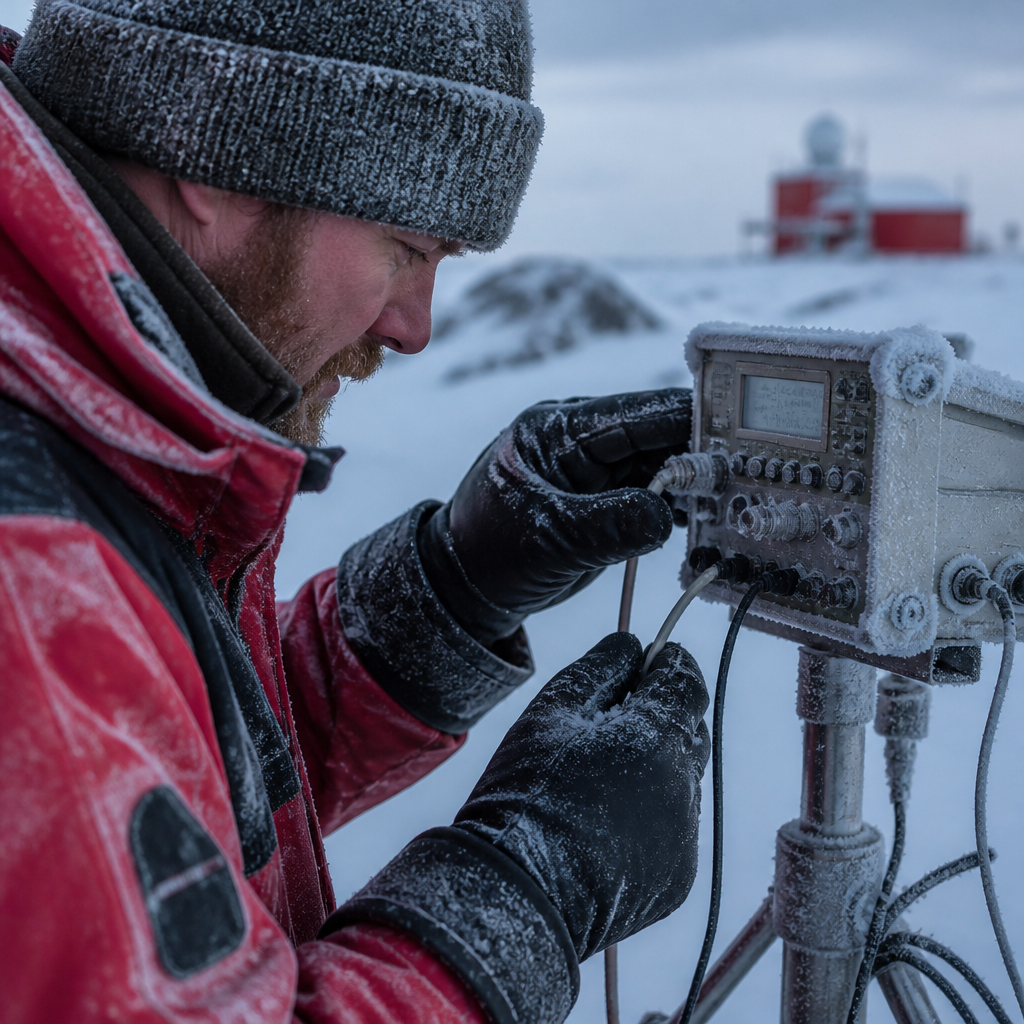
Impacts of Global Boiling on Ecosystems and Human Societies
The consequences of Global Boiling are widespread, affecting biodiversity, agriculture, water resources, and human health. Rising temperatures disrupt ecosystems by altering species distributions and increasing the frequency of wildfires, floods, and droughts. The Food and Agriculture Organization (FAO) reports that heat stress is reducing crop yields globally, threatening food security.
Biodiversity Loss and Ecosystem Disruption
Heat extremes cause habitat loss and force species migration. Coral reefs, for example, suffer from mass bleaching events due to elevated sea temperatures, jeopardizing marine biodiversity. The International Union for Conservation of Nature (IUCN) identifies climate change as a primary driver of biodiversity loss, with nearly 20% of assessed species at risk due to warming climates.
Public Health and Economic Strain
Global Boiling exacerbates heat-related illnesses, including heatstroke and cardiovascular issues, with vulnerable populations such as the elderly and children disproportionately affected. The World Health Organization (WHO) estimates that heatwaves caused over 166,000 deaths globally between 1998 and 2017, a figure likely to rise. Economically, increased cooling demands and damaged infrastructure lead to significant financial burdens.
Mitigating Global Boiling: Scientific and Policy Actions
Addressing Global Boiling requires urgent mitigation strategies to reduce greenhouse gas emissions and adapt infrastructure to withstand extreme heat. Renewable energy adoption, energy efficiency improvements, and reforestation efforts are critical components. According to the International Energy Agency (IEA), renewable sources accounted for nearly 30% of global electricity generation in 2023 and are pivotal to curbing further warming.
International Agreements and Climate Policy
The Paris Agreement aims to limit global warming to below 2°C, ideally 1.5°C, to prevent catastrophic climate impacts like Global Boiling. Nationally Determined Contributions (NDCs) submitted by countries set emission reduction targets, although current commitments remain insufficient. Enhanced global cooperation and policy enforcement are vital to achieving these goals.
Technological Innovations and Community Adaptations
Technologies such as carbon capture and storage (CCS), heat-resistant crop development, and urban cooling designs (e.g., green roofs) are gaining traction. Community-scale interventions also include early heat warning systems and public health preparedness plans to reduce vulnerability to heat extremes.
Conclusion: The Urgency and Path Forward on Global Boiling
Global Boiling, characterized by intensifying heatwaves and accelerated warming, represents a critical and immediate challenge within the broader climate crisis. Its far-reaching impacts threaten ecosystems, food security, public health, and economies worldwide. Scientific consensus emphasizes that mitigating this phenomenon requires rapid, coordinated global action encompassing emissions reduction, technological advancement, and adaptation strategies. The future habitability of our planet depends on how decisively humanity confronts these thermal extremes. Stakeholders at every level—from policymakers to individuals—must prioritize climate resilience and sustainability to safeguard the Earth for generations to come.